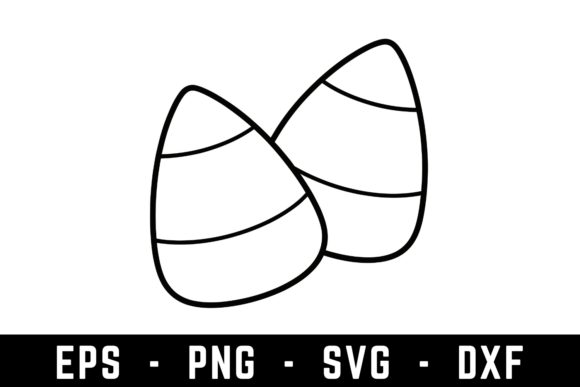
Candy SVG: A Versatile Graphic Design Asset for Crafts and Creative Projects
As a graphic designer with years of experience in crafting visual identities, print-on-demand products, and digital content for clients across multiple industries, I’m always on the lookout for high-quality design assets that can elevate a project. When I came across Candy Svg, it immediately caught my eye—not just because of its playful name, but for how it could bring a fresh, vibrant energy to a variety of creative applications.
First Impressions: Sweetness Meets Modern Design
The first thing that struck me about Candy Svg is its aesthetic—cute yet professional, colorful without being overwhelming. The SVG cut file feels like a natural fit for projects that require whimsical charm or youthful appeal. It's not just another clipart or generic illustration; it has a distinct character that suggests it was crafted with intention. The level of detail in the vector lines and the smooth scalability make it ideal for use in both digital and physical formats.
Visually, this asset leans into a hand-drawn style with clean edges, which gives it an accessible, artisanal feel. It doesn’t scream “professional corporate,” but rather hints at a more personal, handmade vibe. That makes it especially suitable for small business branding, Etsy product listings, and social media graphics where warmth and approachability are key.
Real-World Application: How It Works in Client Projects
Let’s imagine a real client scenario: a boutique candy shop launching a seasonal line of gummy treats. They need packaging design, website banners, Instagram posts, and printable stickers for their retail store. In such a case, Candy Svg would be an excellent choice to reinforce the brand’s playful identity and create cohesive visuals across all touchpoints.
Here’s how it performs across different mediums:
- Logo Design & Brand Identity: While it may not serve as a standalone logo, Candy Svg works beautifully as part of a larger brand identity system. Think of it as supporting visual element—something that adds flavor (pun intended) to your main typography.
- Product Labels & Packaging Design: The SVG format allows for easy resizing and precise cutting, making it perfect for adding decorative accents or themed illustrations to labels and boxes. Its visual warmth complements product photography and helps stand out in a crowded market.
- Marketing Visuals & Social Media Graphics: For Pinterest pins, Instagram stories, or Facebook ads, this design brings a sense of fun and festivity. It pairs well with bright, bold colors and can anchor a campaign around sweetness, nostalgia, or celebration.
- T-Shirt Design & Merchandise: Whether screen-printed or used in a Cricut project, Candy Svg adds an eye-catching pattern or motif to apparel and accessories. It’s especially effective in children's merchandise or novelty items.
- Printable Wall Art & Sticker Designs: With its intricate yet friendly lines, this SVG is a great candidate for downloadable designs in a creative marketplace. It lends itself well to layered prints, vinyl cutouts, and even sublimation projects when paired with the right background.
- Editorial and Web Design: Used as a border element, header accent, or icon in blog visuals, it adds a touch of personality without overshadowing the content. Just ensure it aligns with the overall tone of the publication or website.
Where This Design Shines Brightest
Candy Svg truly comes into its own when given room to breathe. Here are some scenarios where it performs exceptionally well:
- Large Layout Areas: On posters, flyers, or full-page invitations, this design can fill space creatively while maintaining clarity and visual interest.
- Hero Graphics: As a central illustration in a Canva template or digital ad, it commands attention and sets a cheerful mood.
- Themed Collections: Ideal for holiday campaigns, birthday collections, or any project centered around joy, celebration, or indulgence.
- Print Mockups: When placed on t-shirt mockups, mug designs, or wooden signs, it looks professionally integrated and ready for production.
- Decorative Accents: Perfect for enhancing minimalist layouts with subtle texture or adding a pop of color to otherwise flat designs.
Use with Caution: Where Simplicity Is Key
While Candy Svg offers a lot of charm, there are situations where it might not be the best fit. For example:
- Small Sizes: The intricate details may become lost if used in tiny icons or micro-design elements.
- Crowded Layouts: Overuse can lead to clutter. It’s best reserved for areas where it can have a clear focal point.
- Low-Contrast Backgrounds: If you’re using pastel tones or gradients, test how the design interacts with these settings to avoid legibility issues.
- Minimalist Branding: Brands that prioritize sleek, modern aesthetics may find it too busy or unrefined.
- Corporate Materials: It doesn't suit formal presentations, annual reports, or other materials requiring a polished, serious look.
Designers should also be mindful of visual hierarchy. Because Candy Svg carries a strong emotional appeal, it should never compete with primary text or call-to-action elements. Use it to support, not distract.
Readability, Recognition, and Emotional Appeal
When evaluating design assets for a client project, I consider how they affect readability and recognition. Candy Svg does well in environments where the message isn’t overly complex. Its stylized form enhances the mood of a design, helping to evoke feelings of joy, creativity, and nostalgia.
However, it’s important to note that it’s not a font. So when pairing it with typography, I recommend using it alongside serif, sans-serif, script, or display fonts depending on the desired effect. For instance, combining it with a soft handwritten font could amplify its charm, whereas a bold sans-serif might provide better contrast and legibility.
Practical Designer Notes for Commercial Use
Before integrating Candy Svg into a client project, here are some essential checks to perform:
- Test in Black and White: Confirm whether the design holds up without color. Some SVGs lose impact when desaturated, but Candy Svg maintains enough shape and structure to remain visually engaging.
- Check Contrast: Place the design on both light and dark backgrounds to ensure it remains visible and doesn’t blend in unintentionally.
- Preview at Various Sizes: Resize it from thumbnails to large hero images to verify that no detail gets lost or becomes pixelated.
- Place on Real Mockups: Try it on actual product mockups like t-shirts, mugs, or tote bags to see how it translates to real-world applications.
- Test Print Quality: If you're printing on fabric or wood, ensure the design doesn’t distort under pressure or heat, especially if it's going through a Cricut machine.
- Review File Formats: Confirm whether PNG transparency is included if you plan to layer it over photos or textured surfaces. Also, inspect the SVG for editability—can you tweak colors or shapes within Adobe Illustrator or similar software?
- Confirm Commercial Licensing: Always verify that the design is licensed for commercial use before applying it to branded products, logos, or marketing campaigns.
A Valuable Addition to Your Design Toolkit
In conclusion, Candy Svg is a compelling graphic design asset that bridges the gap between crafts and commercial design. It’s particularly suited for creative designers working with handmade businesses, seasonal campaigns, or visual concepts that lean into a sweet, nostalgic, or celebratory tone.
Its adaptability across various platforms—from web design to print-on-demand—makes it a versatile addition to your design bundle. But like any asset, it requires thoughtful application. Understand the context, evaluate the audience, and let the design support the message rather than overshadow it.
If you're looking to add a little flair to your next project, Candy Svg could be the perfect ingredient. Just remember to taste-test it against your design goals before serving it up to your clients.